
The Top 9 Fence Installations for Pet Owners: Height Matters
Pet owners face unique challenges when selecting fencing for their properties, as containment needs vary dramatically depending on the size, breed, and temperament of their animals. A fence that works perfectly for a small lap dog may prove completely inadequate for a large, athletic breed that can easily clear low barriers. Height is one of the most critical factors in effective pet containment, yet many homeowners underestimate how high their dogs can jump or how determined they become when motivated by squirrels, other animals, or simply the desire to explore beyond their yard. Understanding which fencing options provide appropriate height and security for different types of pets helps you make informed decisions that keep your animals safe while giving them the outdoor space they need. The right fence prevents escapes, reduces liability concerns, and provides peace of mind that your pets are secure when playing in your yard.
1. Six-Foot Privacy Fences for Large and Athletic Breeds
Large dogs and athletic breeds require taller barriers than many pet owners initially realize, making six-foot privacy fences the gold standard for secure containment. Breeds like German Shepherds, Huskies, Labrador Retrievers, and mixed breeds with strong jumping abilities can easily clear four or even five-foot fences when motivated. Privacy fence installations provide both the necessary height and solid panels that prevent dogs from being stimulated by activity outside the yard that might encourage jumping or escape attempts. The solid construction also eliminates footholds that chain-link provides, making it much more difficult for climbing dogs to scale the barrier even if they attempt to do so.
2. Five-Foot Fencing for Medium-Sized and Less Active Dogs
According to Homebuyer, a five-foot fence is safe for many dogs, but consider a taller fence or coyote rollers if your dog's a jumper. Medium-sized breeds without exceptional jumping ability often do well with five-foot barriers that provide adequate height without the expense of taller installations. Dogs like Beagles, Cocker Spaniels, and many mixed breeds under fifty pounds typically respect five-foot boundaries and lack both the size and athleticism to clear them easily. This height works particularly well for older dogs, those with joint issues, or breeds not known for jumping behavior. Five-foot fence installations offer a practical balance between cost and effectiveness for many households with average-sized pets that aren't escape artists.
3. Four-Foot Fencing for Small Breeds and Toy Dogs
Small and toy breeds, including Chihuahuas, Yorkshire Terriers, Pomeranians, and similar dogs, can be effectively contained with four-foot fencing that would be completely inadequate for larger animals. These diminutive pets lack the size and leg length to clear even relatively low barriers, making taller fencing unnecessary from a containment perspective. However, four-foot heights may not protect small dogs from external threats like coyotes or large aggressive dogs that could jump into your yard. Consider whether protection from outside animals is a concern in your area when deciding if four-foot fence installations provide adequate security for your small pets or if taller barriers offer better overall protection.
4. Chain-Link Fencing With Height Extensions
Chain-link fencing offers an economical option that can be customized with various heights to match your containment needs and can be modified with extensions if your initial installation proves inadequate. Standard residential chain-link typically comes in four, five, or six-foot heights, with six feet being the recommended minimum for most medium and large dogs. One advantage of chain-link is the ability to add height extensions or privacy slats if you discover your original fence is too short after installation. While chain-link fence installations may not offer the aesthetic appeal of wood or vinyl, they provide durable, effective containment at lower costs and allow you to monitor your pets from inside your home.
5. Vinyl Privacy Fencing for Durability and Aesthetics
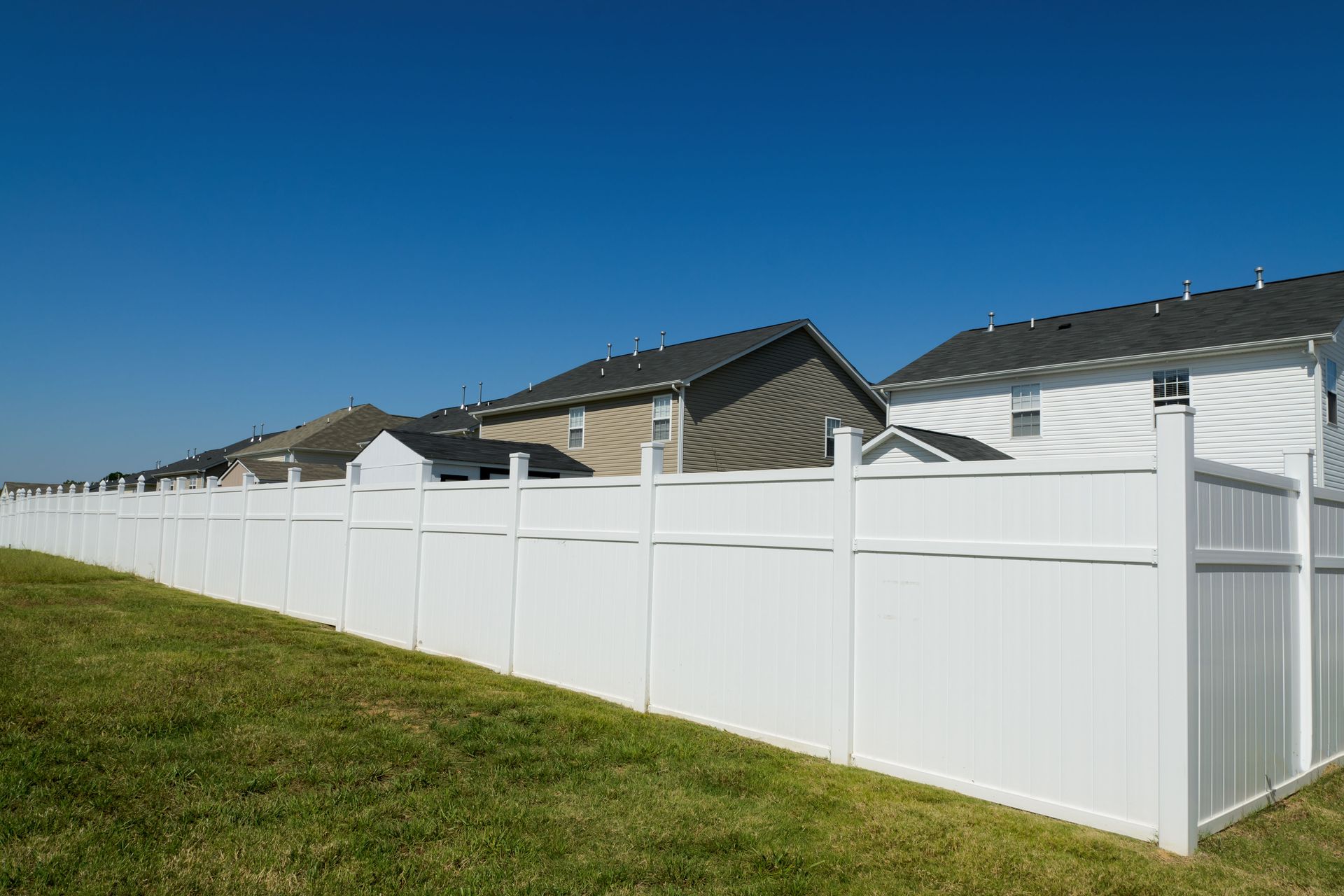
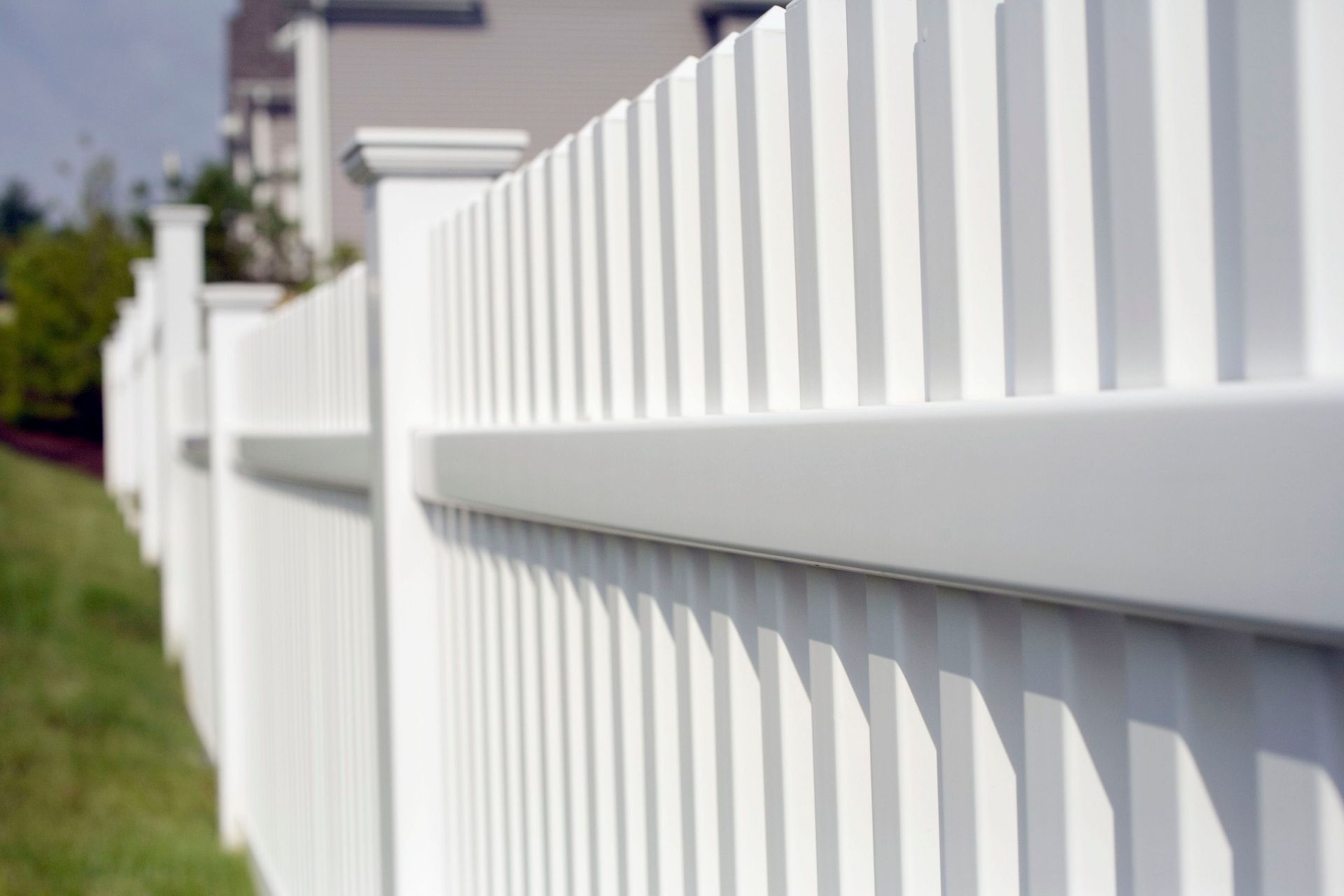
Vinyl privacy fences combine the height and solid construction needed for effective pet containment with attractive appearance and minimal maintenance requirements that appeal to many homeowners. Available in heights from four to eight feet, vinyl fencing provides smooth surfaces without splinters that could injure pets, and the material won't rot, warp, or require painting like wood alternatives. The solid panels prevent your dog from seeing external stimuli that might trigger barking or escape attempts while creating an attractive boundary that enhances rather than detracts from your property's appearance. Quality vinyl fence installations withstand scratching, chewing, and the general wear that active dogs inflict on barriers without showing damage or requiring frequent repairs that wood fencing often needs.
6. Wood Privacy Fencing for Traditional Appeal
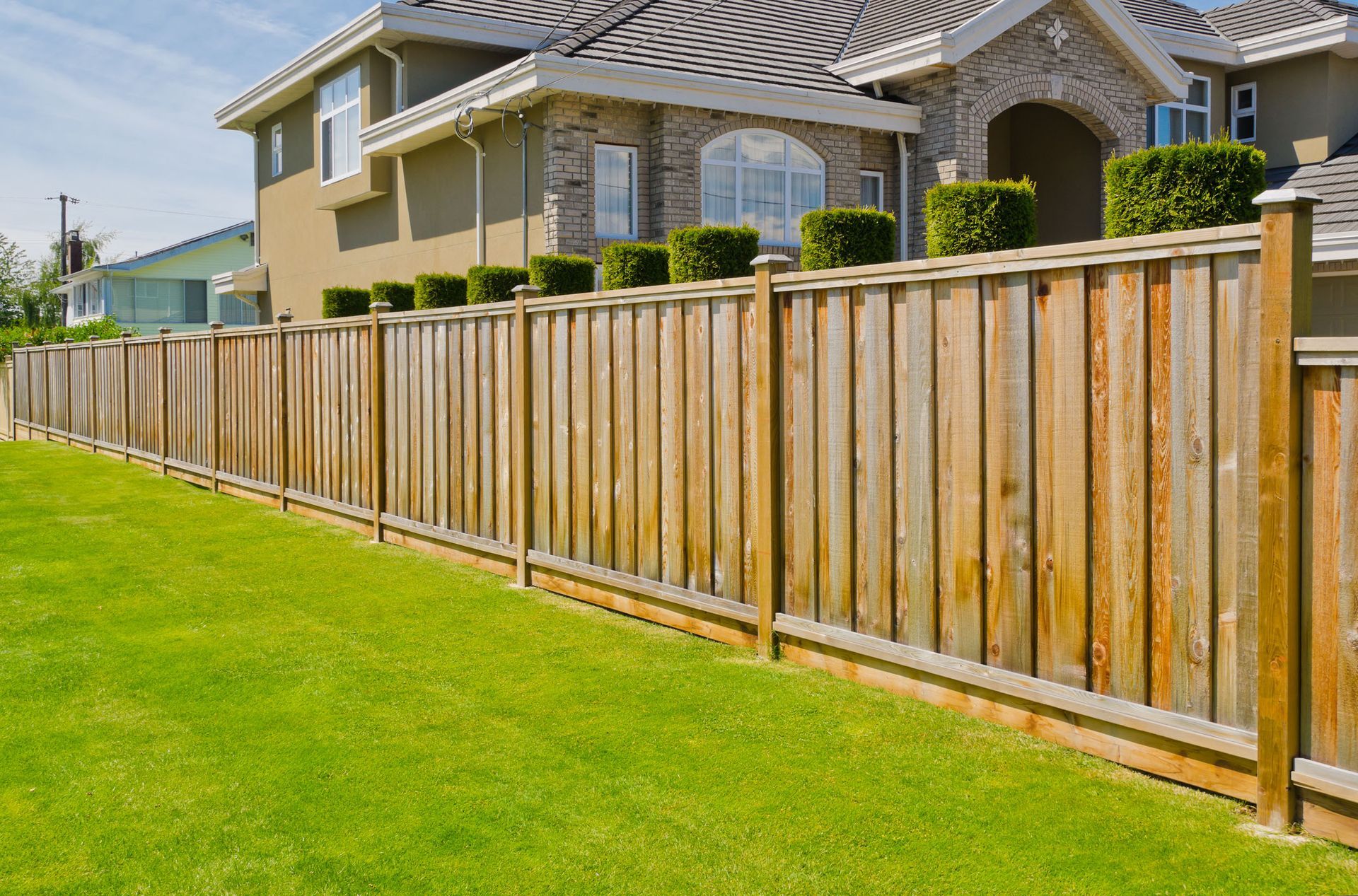
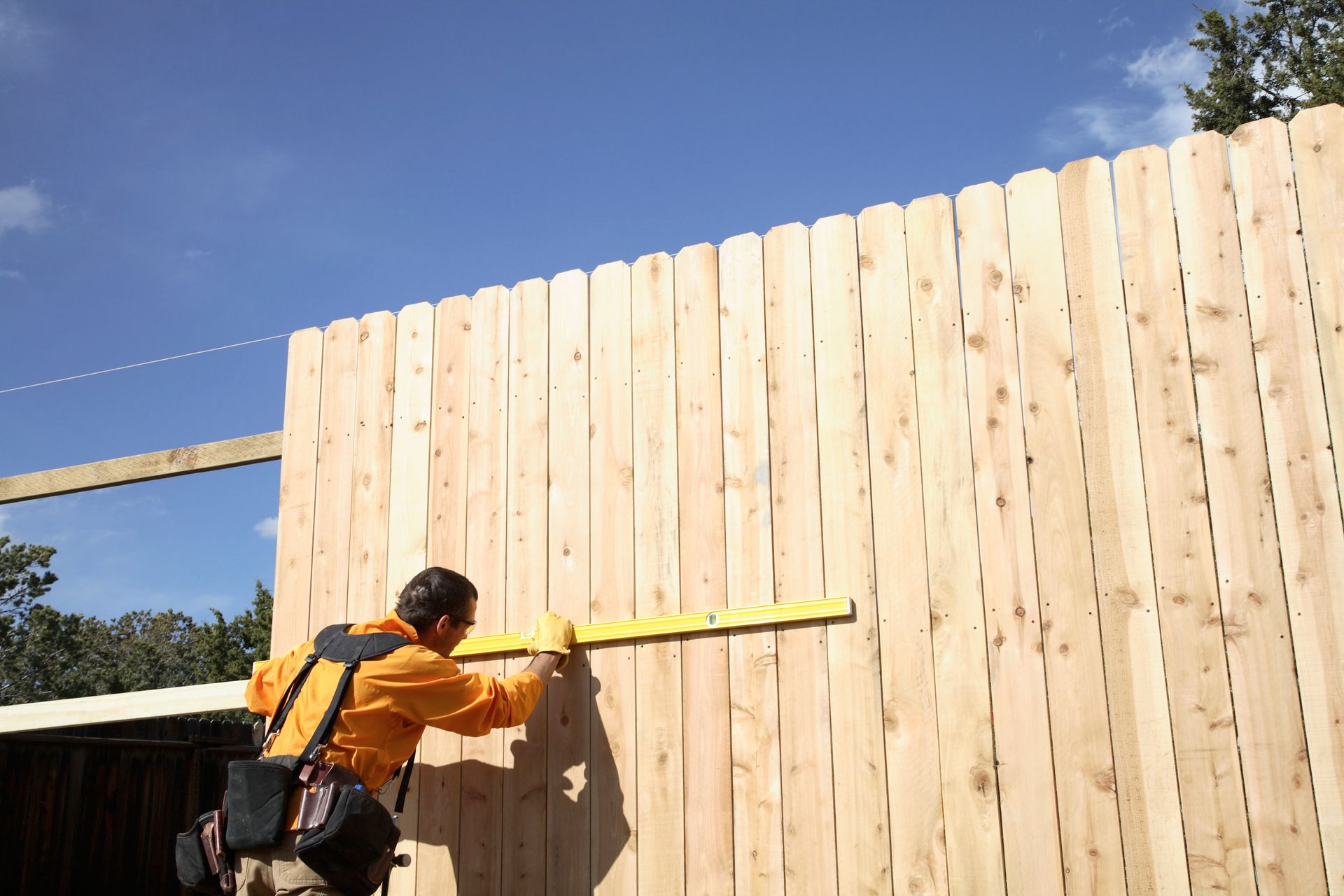
Wood privacy fencing remains a popular choice for pet containment, offering natural aesthetics and the height options needed to secure various dog breeds effectively. Cedar and pressure-treated pine provide durability against weather and ground contact, though wood requires more maintenance than vinyl or aluminum alternatives. Six-foot wood fences create solid barriers that prevent dogs from seeing outside your property while providing the height necessary to contain athletic breeds. One consideration with wood fence installations is ensuring boards are installed close together without gaps that allow small dogs to squeeze through or provide viewing ports that stimulate barking at passersby.
7. Aluminum Fencing for Visibility and Low Maintenance
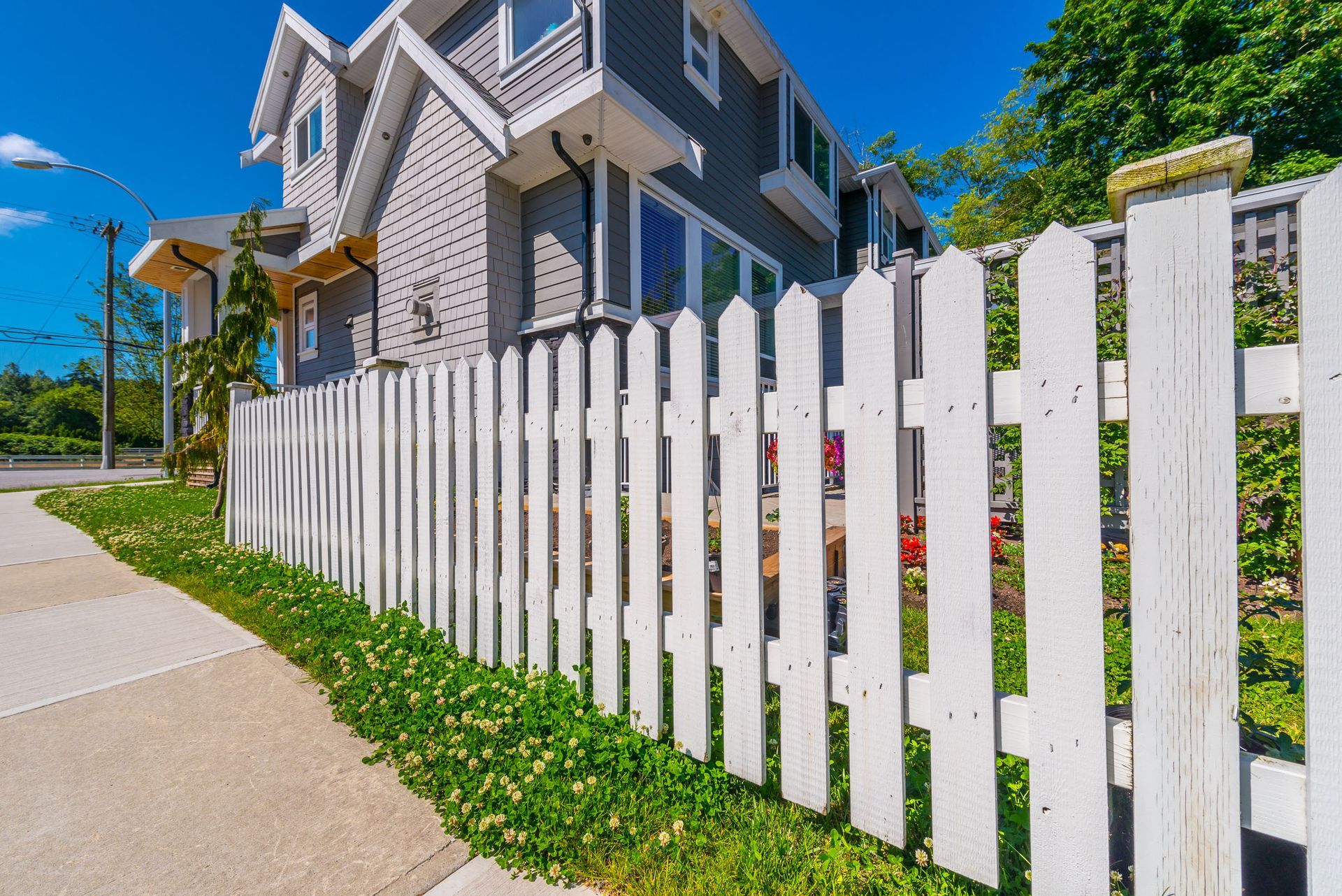
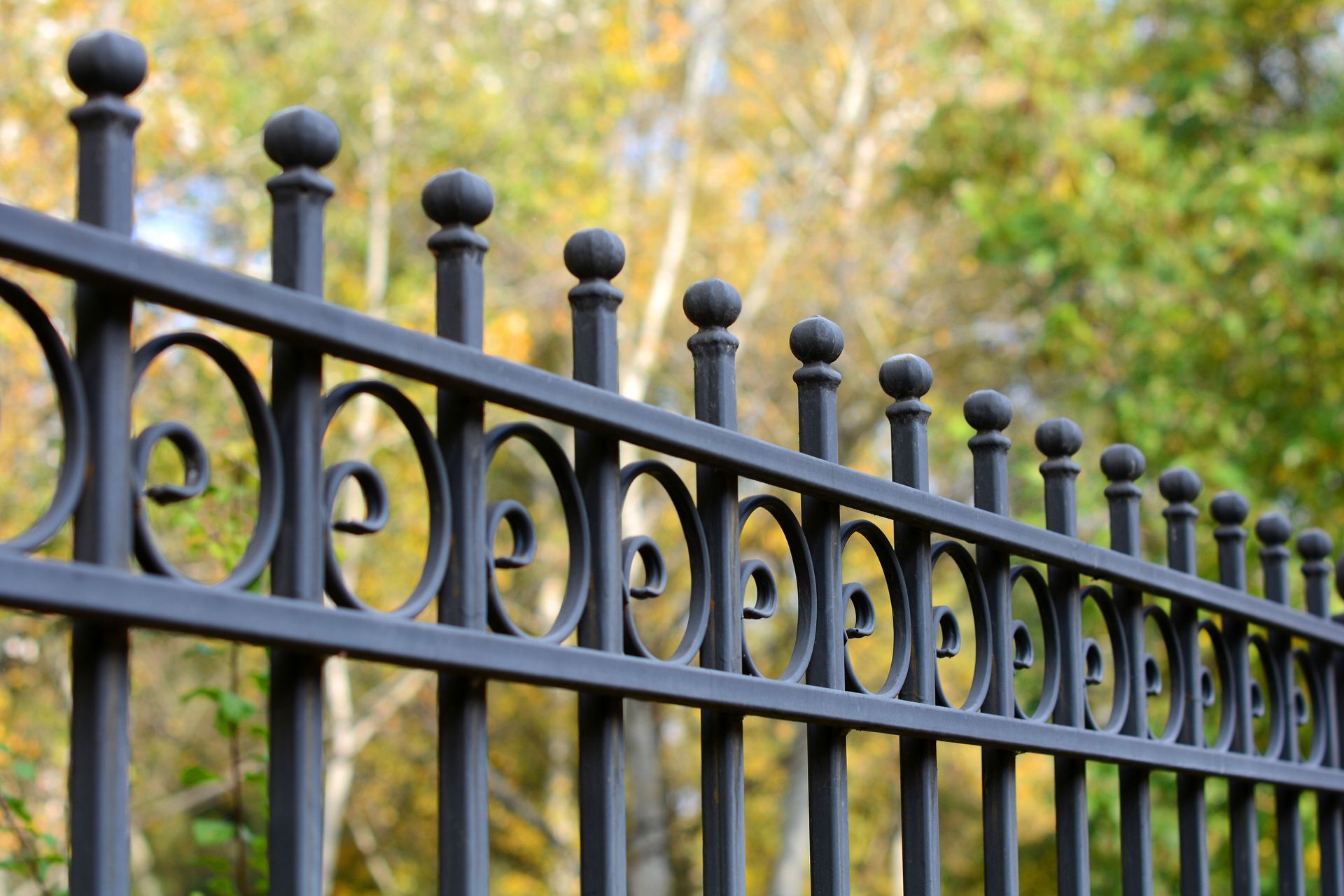
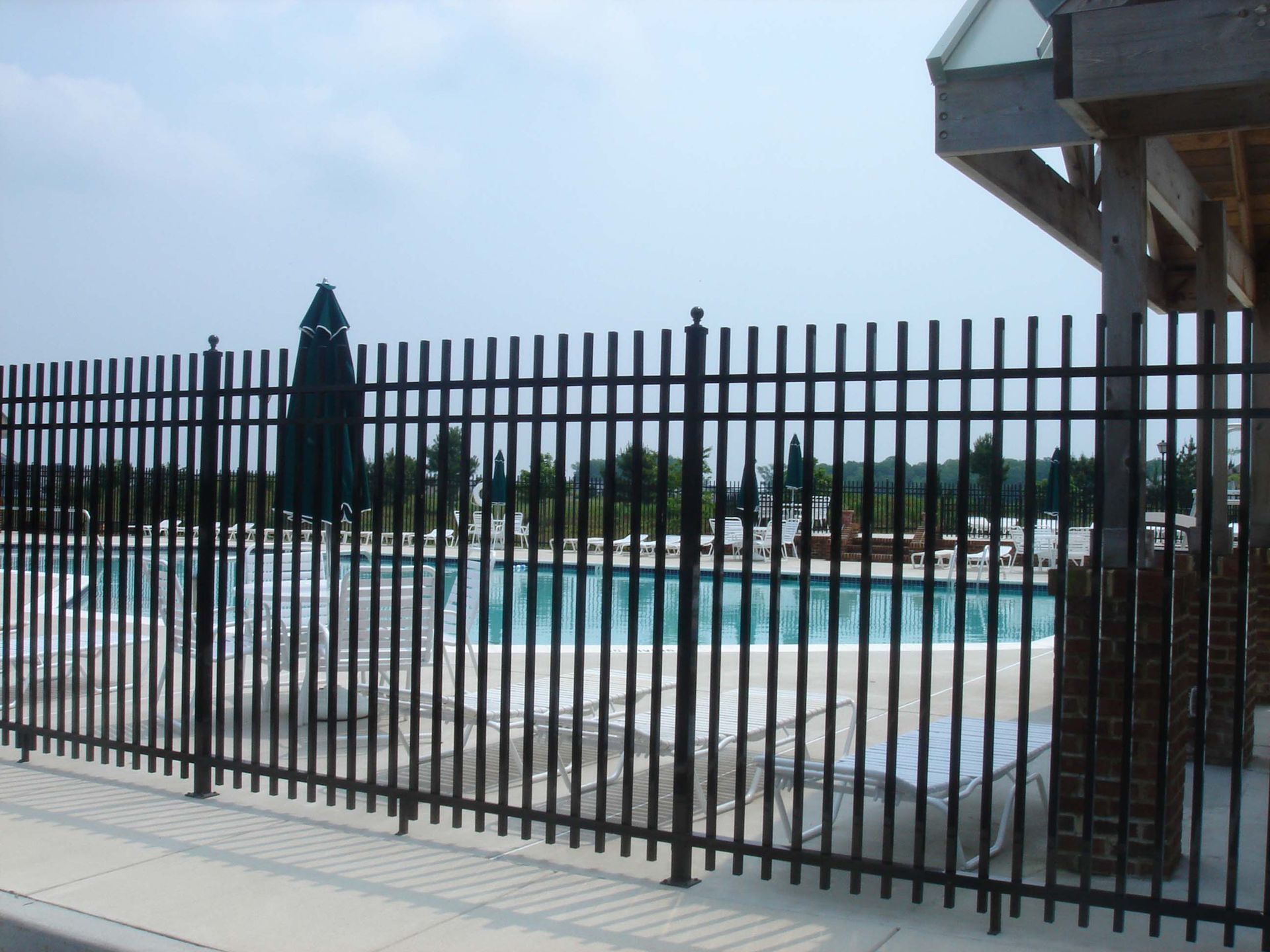
Aluminum fencing offers durability and an attractive appearance while allowing visibility that some pet owners prefer for monitoring their animals from inside the home. Available in various heights, typically ranging from three to eight feet, aluminum provides the necessary height for containment without the visual barrier that privacy fences create. The picket-style construction means dogs can see through the fence, which some behavioral experts believe reduces fence aggression and territorial behavior in certain dogs. However, this visibility can also stimulate barking at passing people or animals, making aluminum fences better suited for dogs without excessive territorial tendencies or in quieter neighborhoods with less pedestrian traffic.
8. Combination Fencing Systems for Multiple Pet Types
Households with both dogs and smaller pets like rabbits, chickens, or cats may benefit from combination fencing systems that address different security requirements in various yard areas. A standard six-foot perimeter fence contains dogs, while smaller interior enclosures with tighter spacing or buried barriers protect vulnerable small animals from predators. This layered approach provides flexibility for managing multiple species with different needs and threat profiles. Combination fence installations allow you to section your yard appropriately, giving dogs running space while protecting smaller pets in secure zones where they can enjoy outdoor time without risk from your larger animals or external predators.
9. Gates and Access Points With Pet Security Features
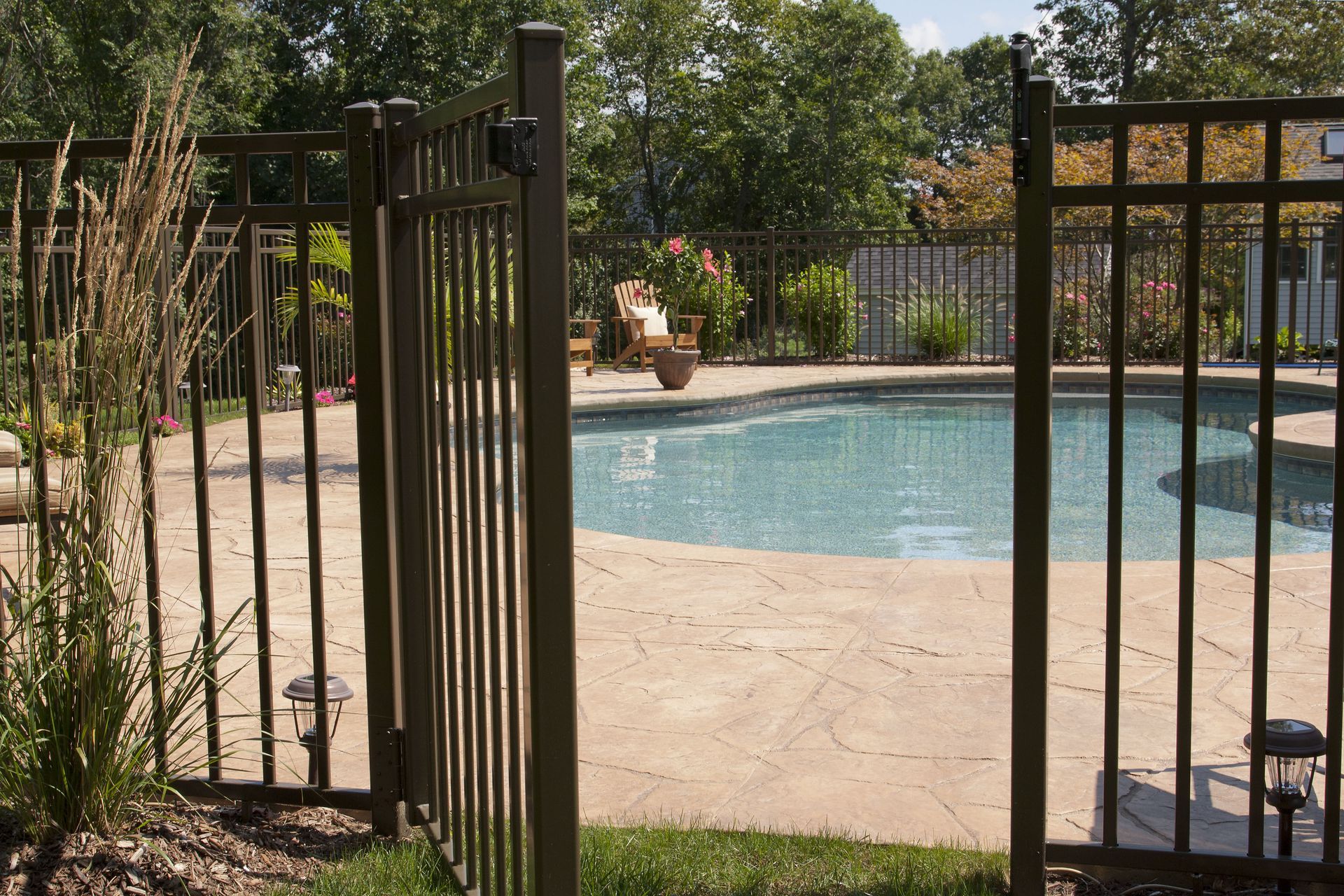
Even the tallest, most secure fence becomes ineffective if gates are left open or don't latch properly, making gate selection and installation critical components of pet-safe fencing systems. Self-closing hinges ensure gates don't remain open if someone forgets to secure them, while quality latches prevent clever dogs from nosing gates open. Double gates at main entry points reduce the risk of pets bolting when you enter or exit, creating an airlock system that contains animals even if the outer gate opens. When planning to install a fence, invest in quality gates with features specifically designed for pet containment rather than treating them as afterthoughts that compromise your otherwise secure perimeter.
Selecting appropriate fencing for pet containment requires careful consideration of your specific animals' size, athletic ability, temperament, and the particular challenges they present. Height is paramount, but other factors, including material durability, visibility, maintenance requirements, and protection from external threats, all influence which fencing option best serves your needs. The investment in proper containment protects your pets from traffic, prevents them from bothering neighbors, and reduces your liability while giving them safe outdoor space to exercise and play. Whether you need vinyl fencing, aluminum fencing, wood fencing, chain-link fencing, swimming pool fences, gates, or fencing accessories, RSVP Fence LLC provides expert guidance and professional installation with free estimates and is fully licensed and insured. For more information, contact us today!
Share On: